Best Asus Router Buying Guide — Black Friday Deals 2026
An ASUS router shortlist can start with a simple question: what matters most in your network—WiFi generation, flexible operating modes, or wired connections? The three options here cover different priorities, from WiFi 6 models to a WiFi 7 router with five 2.5GbE ports. Their listed features give you practical points to compare, but they do not establish which router will suit every home or device. During Black Friday, check the exact model and variant on the offer page before deciding. Treat the event as a chance to compare options against your needs, not as a reason to assume a discount or a particular performance outcome.
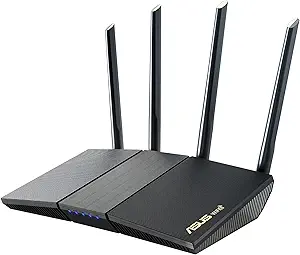
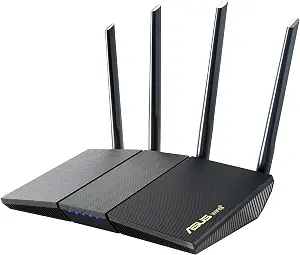
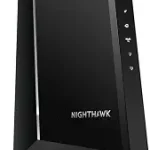
ASUS RT-AX1800S Dual Band WiFi 6 Extendable Router
ASUS RT-AX1800S Dual Band WiFi 6 Extendable Router (ASIN B09M9477NS)
Best Budget is the editorial label for this option among the routers in this guide, not a claim about its current price or a market-wide award. Its WiFi 6 (802.11ax) standard supports MU-MIMO and OFDMA technology, giving shoppers a clear generation and feature set to consider. Four external antennas and a dual-core (4 VPE) processor are also listed. Those details help identify the configuration, but they do not by themselves predict coverage or performance in a particular home.
Picture a household planning a router around ordinary network routines: wireless devices use WiFi, while equipment with Ethernet connections can be considered for the wired side. This model lists one Gigabit WAN port and four Gigabit LAN ports. The WAN port is the connection point to account for in your network plan; the LAN ports are the ones to consider when you list equipment you intend to connect by cable. If you have more wired devices in mind than available LAN ports, compare your needs with the other models rather than assuming this layout will accommodate them all directly.
The product listing specifies 256 MB of installed RAM and AiProtection Classic, powered by Trend Micro. Read that security name as a stated feature, not as a guarantee about every risk or a substitute for checking the details that matter to your household. For a Black Friday purchase, make sure the offer corresponds to this exact router and review its listed features rather than using a neighboring ASUS model as a stand-in. The Best Budget label can help organize this shortlist, while the final decision should rest on whether WiFi 6, the stated security feature, and the available ports match your plan.
Key specs
Wi-Fi standard
WiFi 6(802.11ax) standard supporting MU-MIMO and OFDMA technology
Antennas
External antenna x 4.
Processor
Dual-core (4 VPE).
Ethernet ports
One Gigabit WAN port and four Gigabit LAN ports
Installed RAM
RAM Memory Installed 256 MB
Security
Protect your home network with AiProtection Classic, powered by Trend Micro.
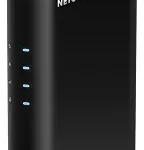
ASUS RT-AX3000S Dual Band WiFi 6 Extendable Router
ASUS RT-AX3000S Dual Band WiFi 6 Extendable Router (ASIN B0G1X5ZMDQ)
Best Overall is an editorial choice among the products featured here, not the result of comparative testing or a claim of universal superiority. This dual-band WiFi 6 router uses the 802.11ax standard and lists 574 Mbps on the 2.4GHz band and 2402 Mbps on the 5GHz band. Treat those as the model’s stated wireless-speed figures, not a promise of the speed a particular device or household will experience. They offer a concrete way to compare the listing with the requirements of the devices you intend to connect.
Flexibility in setup is a central reason to consider this option. Its listed operating modes are wireless router mode, Access point mode, AiMesh Node Mode, and Repeater Mode. Before buying, identify the role you actually need: a router, an access point, a node, or a repeater. The presence of several named modes makes this model worth considering when you are comparing those roles, but it does not establish that a specific setup will work with every network. Check the precise mode and requirements relevant to your plan.
The product record lists four antennas, 128 MB Flash, and 256 MB RAM. Use those as identification details when checking an offer; they are not substitutes for deciding how the router will fit into your network. During Black Friday, the Best Overall label should be a starting point for comparison, not a reason to skip the listing details. Confirm the exact model, compare its listed bands and operating modes with your intended use, and consider whether the specifications you value are actually part of the offer. That keeps the decision tied to this router’s stated features rather than assumptions about similarly named products.
Key specs
Wi-Fi standard
802.11ax WiFi standard
Frequency bands
2.4GHz / 5GHz
Wireless speeds
574 Mbps on the 2.4GHz band and 2402 Mbps on the 5GHz band
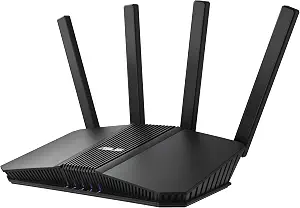
Best for WiFi 7 and multi-gig wired connections describes the specific priorities this model serves in the guide. It is a dual-band WiFi 7 (802.11be) extendable router with a stated speed of up to 6500 Mbps. That figure is a listed maximum, not a forecast for a particular home, device, or internet connection. Shoppers considering WiFi 7 can use the standard as a shortlist criterion, then compare the exact devices and network needs that make the newer generation relevant to them.
The wired specification is especially clear: five 2.5GbE ports. If your planning starts with equipment that needs wired connections, count the connections you expect to make and compare them with the port type and quantity listed here. The 2.5GbE label is a useful distinction to check against the requirements of your own devices and network equipment; it does not establish what speeds those devices will achieve. Black Friday listings can make several models appear side by side, so check that the offer is for this exact WiFi 7 model before weighing its ports against another router’s.
The router is described as Smart AiMesh Extendable and as able to link to multiple bands at the same time. It also lists AiProtection Pro powered by Trend Micro and parental controls. These named features may matter to shoppers comparing expansion, security, or household controls, but review their details for your needs rather than inferring extra functions. This is the guide’s focused choice for shoppers who prioritize the WiFi 7 standard and five 2.5GbE ports. The label identifies that feature combination; it is not evidence of measured superiority or a claim that the model is right for every setup.
Key specs
Wi-Fi standard and speed
WiFi 7 (802.11be) dual-band extendable router boosts speed up to 6500 Mbps
Ethernet ports
Five 2.5GbE Ports
Mesh capability
Smart AiMesh Extendable
Multi-band operation
Link to multiple bands at the same time
Network security
AiProtection Pro powered by Trend Micro
Parental controls
Parental Controls Included
Turn your device list into a router shortlist
Start with the devices and tasks that shape your day, rather than with a headline speed figure. Write down which equipment will use WiFi and which devices you would prefer to connect by Ethernet. The purpose is not to predict performance, but to identify the specifications worth comparing. If wireless generation is your first filter, the two WiFi 6 options and the WiFi 7 option provide distinct standards to consider. If wired connections lead your decision, compare the Gigabit ports on the RT-AX1800S with the five 2.5GbE ports listed for the RT-BE82U.
Next, separate must-haves from nice-to-haves. A particular operating role may make the RT-AX3000S worth a closer look because its listing names wireless router, Access point, AiMesh Node, and Repeater modes. A security feature’s exact name may also belong on your checklist. Avoid turning a specification into a guarantee: the listed WiFi standard does not promise a certain result in your home, and a port label does not tell you how every connected device will behave.
This kind of planning is useful during Black Friday, when a listing can draw attention to one specification while another matters more to your setup. Keep the model names and your priorities together as you browse. A shortlist built from actual needs makes it easier to decide whether an offer deserves consideration, without treating the event or the product label as proof that a router is the right fit.
Read wireless figures as context, not a household forecast
The RT-AX3000S listing separates its wireless-speed figures by band: 574 Mbps on the 2.4GHz band and 2402 Mbps on the 5GHz band. The RT-BE82U is described as a WiFi 7 dual-band router with speed up to 6500 Mbps. These are useful details for identifying what each product claims in its specification, but they should not be treated as direct predictions of the speed a particular device will receive. The RT-AX1800S record identifies WiFi 6 and MU-MIMO and OFDMA technology without giving a wireless-speed figure in the supplied details.
For a practical comparison, ask which generation and listed capabilities are relevant to the devices you intend to use. Do not assume that a higher headline figure alone settles the choice: the records do not establish results for a specific home, internet plan, or client device. If you are weighing WiFi 6 against WiFi 7 during Black Friday, let the standard be one part of the decision alongside operating modes, port requirements, and the exact offer variant.
Keep the labels in their original context when comparing product pages. The RT-AX3000S figures refer to its two named bands; the RT-BE82U figure is stated as up to a maximum. Neither description guarantees an outcome for your network. A careful comparison respects what the figures say and leaves room for the limits of what the listing details establish.
Plan the wired side around actual port types
A quick inventory of wired equipment can prevent a mismatch between your planned connections and the router you choose. The RT-AX1800S lists one Gigabit WAN port and four Gigabit LAN ports. That distinction helps you think separately about the connection to your network and the devices you plan to attach through LAN. The RT-BE82U lists five 2.5GbE ports. Compare those labels with your own equipment’s connection needs instead of assuming that every port type will be useful in every setup.
The RT-AX3000S facts provided here focus on its wireless bands, operating modes, memory, and antennas, rather than listing Ethernet-port details. That is a reason to verify the exact product page if port configuration is a deciding factor, not a reason to infer what is or is not included. During Black Friday, use the full model name to keep listings distinct and check the port information for the variant you are considering.
Count the connections you want to make directly, then decide whether the listed port arrangement matches that plan. The count is a planning tool, not a performance prediction. If more than one model appears suitable, consider whether Gigabit or 2.5GbE ports are the detail that actually separates your options. That practical distinction can be more useful than focusing on a broad category label alone.
Match the router’s named role to your setup
The RT-AX3000S has the most explicitly named operating roles in the supplied details: wireless router mode, Access point mode, AiMesh Node Mode, and Repeater Mode. That list can help shoppers who already know they want to compare those roles. Before deciding, identify the role you need and check the listing for the exact mode and any relevant requirements. A menu of modes is useful information, but it does not establish compatibility with every existing network or device.
The RT-BE82U is described as Smart AiMesh Extendable, while the RT-AX1800S is named an extendable router. Treat those phrases as the product descriptions provided, not as a guarantee about coverage, layout, or a particular expansion result. If expansion is important, work from your actual floor plan and the specific setup you have in mind, then check what the exact model’s listing says about the feature.
Black Friday comparisons can make an expansion term stand out without explaining how it relates to your intended configuration. Keep the terms distinct: operating modes, mesh descriptions, and extendability are not interchangeable facts in this guide. Ask which one answers your need, and avoid paying attention to an appealing label if you cannot connect it to a concrete use case. This keeps flexibility in perspective alongside the standards and ports.
Compare protection details and the offer itself
The security and household-control details differ by their stated names. The RT-AX1800S lists AiProtection Classic, powered by Trend Micro. The RT-BE82U lists AiProtection Pro powered by Trend Micro and parental controls. The provided details for the RT-AX3000S do not list a security feature, so use its exact product listing if that information is important to your decision. Do not infer that a feature is present or absent beyond what the listed facts establish.
Consider which named feature matters to the people using your network, then read the product page for details rather than assuming what a label includes. A security name is not a guarantee against every threat, and the mention of parental controls does not specify their options. Keeping those limits in mind makes for a more grounded comparison than treating a feature name as a complete explanation.
Finally, Black Friday is a reason to inspect an offer carefully, not evidence that a promotion is active or that a product is discounted. Match the offer to the exact ASUS model and variant, and compare the specifications that informed your shortlist. Check that the features you value appear in the listing for the item you intend to buy. If the offer details do not clearly match your chosen model, pause and verify before making a decision.
Make your Black Friday choice
The right ASUS router for your shortlist depends on which stated features answer your real priorities. The RT-AX1800S pairs WiFi 6 with AiProtection Classic and four Gigabit LAN ports; the RT-AX3000S stands out here for its listed operating modes and band-specific figures; and the RT-BE82U combines WiFi 7 with five 2.5GbE ports and named AiMesh extendability. Those distinctions provide a useful basis for comparison, not a promise about results in your home.
As Black Friday approaches or unfolds, verify the exact model and offer details, then return to your device list and connection plan. Choose based on the features you can use and confirm—not an assumed discount, headline figure, or broad label.