A CPU shortlist starts with the computer you intend to build or update, not the Black Friday banner. The three options here span Socket AM4 and AM5, DDR4 and DDR5 support, and six- to sixteen-core configurations. Those differences affect which parts of your plan need checking before an offer makes sense. Use this guide to narrow the field by platform, workload and included components, then compare the exact processor and terms shown on the listing. Black Friday can be a useful moment to review candidates, but the advertised event alone does not tell you whether a particular configuration fits.
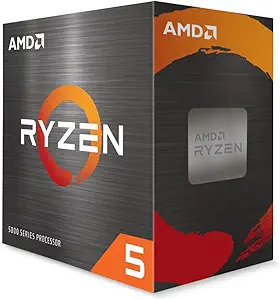
This six-core, twelve-thread processor is the Best Budget pick among the listed choices. That label is an editorial way to identify a straightforward candidate for a budget-conscious shortlist; it does not make a claim about its price or a Black Friday discount. Its listed specifications include a maximum boost of 4.2 GHz, Socket AM4 and DDR4-3200 support. Those details give you concrete checks to make against the motherboard and memory you plan to use.
The bundled AMD Wraith Stealth cooler is a practical distinction when you are comparing what the box includes. It may simplify the parts-list decision for someone who wants a processor package that explicitly includes a cooler. Still, check the requirements for your intended system rather than assuming every component in a build is covered by that inclusion. The product information identifies the cooler, but does not establish how it will suit every case, workload or configuration.
For a home computer used for everyday tasks, or a build where six cores and twelve threads match the intended workload, this can be a sensible option to investigate. Treat the core and thread counts as configuration facts, not a promise about a particular application. If you already have parts in mind, verify the socket and memory details before you compare this against an AM5 choice. A Black Friday listing is only relevant if it names this exact processor and the included cooler is represented clearly.
When reviewing a Black Friday offer, look beyond the headline and confirm the product identity, stated specifications and what the package includes. The supplied facts do not establish a sale price, discount or availability, so compare only the details actually displayed for the offer you are considering. If the platform and DDR4 support align with your plan, this option offers a defined starting point; if you are choosing a different platform, use that as a reason to compare the other candidates instead.
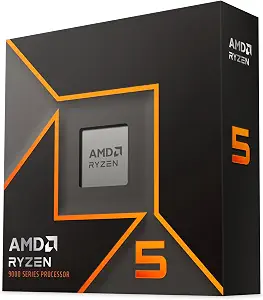
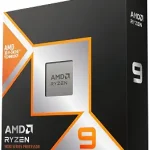
The Best Overall label goes to this six-core, twelve-thread option as an editorial pick within this short list, not as a test result or a claim of market-wide superiority. It is based on AMD Zen 5 architecture, has a maximum boost of 5.4 GHz, and supports DDR5-5600 memory. It uses Socket AM5. These are useful distinguishing details when you want to compare a newer platform choice with the AM4 option without treating a single specification as the whole buying decision.
Think of it as a candidate for a new build if AM5 and DDR5 are already part of your plan. Before checkout, check the motherboard’s stated processor support and the memory configuration against the details for the exact parts you intend to combine. The listing says PCIe 5.0 can be supported on select motherboards, so retain that qualification: do not assume support from the processor name alone or from a motherboard feature headline.
One important planning detail is that a cooler is not included. Include a suitable cooling solution in your parts research and in any overall cost comparison, rather than treating the processor offer as the complete system expense. This distinction can matter when a Black Friday deal looks appealing at first glance. Compare the exact processor and the other components you would need, and avoid assuming that an accessory shown elsewhere is part of this product package.
For someone balancing a modern platform plan with a six-core, twelve-thread configuration, the listed combination gives several specific points to weigh: Zen 5, AM5, DDR5-5600 support and the qualified PCIe 5.0 note. The Black Friday label does not settle whether those fit your build. Check the actual offer for the right model and make a separate decision about cooling. The Best Overall tag simply helps organize this guide’s choices; your motherboard, memory and workload should decide whether it belongs on your shortlist.
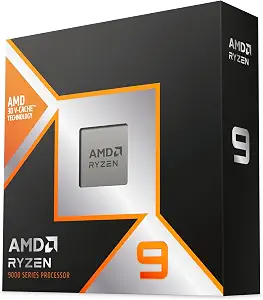
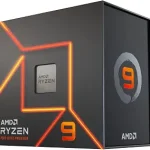
The Best for a high-core-count AM5 build label reflects a clear specification: this processor has sixteen cores and uses Socket AM5. It is based on Zen 5, with a base clock of 4.3 GHz and a maximum boost clock of up to 5.7 GHz. Those facts make it a candidate to consider when your intended workload and platform plan call for a sixteen-core processor. They do not, by themselves, establish how any particular application will behave.
A larger core count may be relevant when you choose a processor for a mix of demanding tasks, but start by naming the work you expect the computer to do. Decide whether the listed configuration is appropriate for that routine and whether the rest of the build is planned around AM5. Then examine the motherboard and the other components you intend to pair with it. This keeps the buying decision grounded in your parts list rather than in a headline or a single clock figure.
The stated wattage is 170 watts, a detail to account for as you research the complete system plan. Check cooling and power guidance for the components and build you actually intend to use; the available product facts do not specify a cooler or establish a particular cooling setup. Do not assume that a Black Friday processor offer resolves those questions. The boxed-processor form factor is also listed, but that detail should not be mistaken for a description of every component supplied.
For a Black Friday comparison, verify that the offer is for this exact processor and review the specifications and package details shown on the listing. No price or discount is established here, so focus on whether the processor suits the workload and whether the rest of the AM5 build is ready to support your choice. This recommendation is deliberately narrower than Best Overall: it highlights the sixteen-core configuration and AM5 socket, not a claim that every shopper needs that combination.
Key specs
Processor cores
Processor Core Count 16
Base clock
Base Clock: 4.3 GHz
Maximum boost clock
Max. Boost Clock : Up to 5.7 GHz
Socket
Processor Socket Socket AM5
Wattage
Wattage 170 watts
Architecture
Processor Architecture: Zen 5
Form factor
Form Factor: Desktops , Boxed Processor
Begin with the platform already on your desk
Before comparing clocks or core counts, write down the platform constraints of the computer you are building or updating. The options here use Socket AM4 or Socket AM5, so identify which socket your intended motherboard supports and check its documentation for the exact processor. Do not treat the socket name as the only compatibility check; confirm the full pairing from the component makers’ information. If you are planning a new system, decide which platform you want to build around before using Black Friday offers to shape the shortlist.
Memory is another useful early filter. One option lists DDR4-3200 support, while another lists DDR5-5600 support. These are different memory standards, so check the memory type in your parts plan rather than assuming a processor choice leaves that decision open. Record the motherboard and memory you intend to buy, then compare those details with the exact processor listing. That small piece of preparation can help prevent a tempting Black Friday headline from pulling you toward a configuration that does not match your plan.
The AM5 options also have different stated core counts: six cores for one and sixteen for the other. Use the count as a way to describe the configuration you are considering, not as a substitute for thinking about workload or checking the rest of the system. Once the platform, memory and intended tasks are written down, remove candidates that do not meet those needs. The remaining comparison will be more useful than starting with an event label and trying to retrofit a build around it.
Make Black Friday comparisons specific to the exact offer
Treat each Black Friday listing as a separate offer to inspect, not as a verdict on which processor to buy. Confirm the model identity and check that the processor configuration matches the candidate you meant to compare. Look for the stated socket, memory support and included components where those details are provided. If a listing does not make a detail clear, do not fill in the blank based on another product or an image; pause and verify the actual offer before deciding.
Keep a short comparison note for each candidate: the model, platform, core and thread details when supplied, memory support and cooler information. Add the offer’s displayed price only if you are comparing live listings yourself; no price or discount is established by this guide. Then compare the full parts plan you would need, including any separately selected components. That approach makes it easier to distinguish a processor that fits from one that merely appears prominent during Black Friday.
Also check that you are comparing the same product configuration from one listing to another. A product title, a variant selector and the package details should tell a consistent story. If they do not, avoid assuming that a cooler or another item is included. A careful offer check is more useful than a generic sale claim because it connects the exact product to the system you intend to assemble. Keep the decision focused on fit and the offer’s own details, not urgency or an unsupported promise of savings.
Match the configuration to the work you expect
Translate your routine into a list of tasks before deciding how much processor capacity to seek. Consider whether the computer will mainly handle everyday personal use, creative work, or several demanding tasks in your normal routine. Then use the listed core and thread counts to describe the candidates you want to research. The six-core, twelve-thread options and the sixteen-core option give you different configurations to weigh, but the facts here do not establish which will be faster in a particular program.
Clock details can help distinguish the products on paper: the supplied records list maximum boost figures for two candidates and base and maximum boost figures for the other. Read each figure as the specification it is, retaining wording such as “up to” where provided. Avoid turning those details into a promise about sustained behavior or a direct application result. If a specific program matters to you, seek information relevant to that program before choosing a processor around a number alone.
A useful decision journal can capture your reasoning in a few lines: the tasks you expect, the platform you chose, and the specifications that matter to that plan. This gives you a consistent way to assess Black Friday listings without letting the most prominent figure set the agenda. If the intended workload does not call for a particular configuration, do not select it simply because it has a larger stated core count. Pick the candidate whose documented details make sense for the computer you actually want.
Include cooling and system planning in the comparison
Check what the processor package says about cooling before estimating the rest of your build. One candidate is explicitly bundled with the AMD Wraith Stealth cooler; another explicitly states that a cooler is not included. For the third, the facts provided do not specify cooler inclusion, so verify the exact listing rather than guessing. These distinctions matter when you are comparing a Black Friday offer with the cost and completeness of the system you plan to assemble.
Next, research a cooling solution appropriate to the processor and the rest of your build using the applicable component guidance. Do not assume that an included cooler suits every case or use, and do not infer that a processor without a stated cooler has no cooling options. Keep the question practical: what does the exact package contain, what additional parts does your plan require, and what do the relevant manufacturers recommend? The product facts here do not resolve every system-level decision.
The sixteen-core option lists wattage of 170 watts. Include that stated figure in your system research and check the power and cooling guidance for the complete configuration rather than treating it as an isolated purchasing detail. For the other two, use only the supplied information when comparing their stated features; do not assume an unlisted wattage or cooler detail. A complete parts plan can make a Black Friday offer easier to evaluate because it accounts for what you still need, not just the processor line.
Use a final checklist before choosing
Once you have narrowed the shortlist, revisit the decisions in order: intended tasks, socket, memory type, processor configuration and package contents. Confirm each item against the exact offer and your other planned components. If PCIe 5.0 is relevant to your build, preserve the qualification in the listing: support is possible on select motherboards. Check the specific motherboard rather than assuming that the feature is guaranteed across the platform.
Then consider the purchase itself. Review the offer’s exact product identity, displayed terms and any package details you rely on. Compare only like-for-like processor listings, and account for additional parts in your own total. Black Friday may give you a reason to revisit a shortlist, but the headline cannot establish that a processor suits your platform or that an accessory is included. If a key detail is unclear, verify it before checkout rather than making an optimistic assumption.
Finally, write down why your chosen candidate fits your build. A brief note such as “AM4 and DDR4 plan,” “AM5 and DDR5 plan,” or “sixteen-core AM5 configuration for the intended workload” keeps the choice tied to facts and priorities. Those examples describe distinctions in this guide, not guarantees about results. A sound decision is the one supported by the offer details and your complete parts plan, whether or not the Black Friday presentation makes the decision feel urgent.
Make your Black Friday choice
A good CPU purchase begins with platform fit, then weighs workload, memory and what the package actually includes. The AM4 option brings DDR4-3200 support and a bundled cooler; the AM5 candidates offer different core configurations and DDR5 support for one of them. Each has a different place in a shortlist, and none is automatically right for every build. Use Black Friday to recheck the exact offer, not to skip the checks. Confirm the product identity, review the full parts plan and choose the processor whose documented details align with the computer you intend to make.