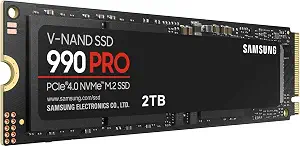
Samsung SSD 990 PRO 2TB
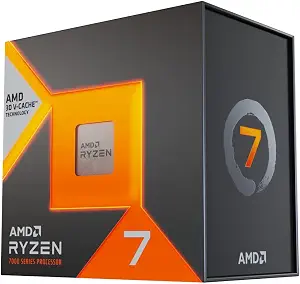
AMD Ryzen 7 7800X3D 8-Core, 16-Thread Desktop Processor
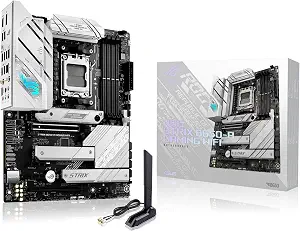
ASUS ROG Strix B650-A Gaming WiFi
Best Pc Components Buying Guide — Black Friday Deals 2026
A useful PC components shortlist starts with the job each part must do, then checks whether its connections and format fit the rest of the plan. This guide brings together a 2 TB M.2 SSD, an AM5 desktop processor and an AM5 motherboard, so it can help shoppers think through storage, processor and platform choices in one place. Black Friday can make comparisons more tempting, but a deal label alone cannot answer whether a component suits your build. Check the exact model and variant, compare the listed specifications with your requirements, and leave unverified details as questions rather than assumptions.
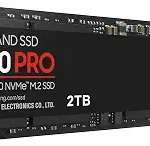
Samsung SSD 990 PRO 2TB
For a shopper prioritizing a clearly specified storage drive, this Samsung SSD is an easy product to place on a shortlist. It offers 2 TB of capacity in an M.2 2280 form factor, with a PCIe x 4 interface. Those details provide a useful starting point for checking whether the drive matches a desktop, laptop or other intended setup. The listed compatible devices are desktop and laptop, and the listing also names Sony PlayStation 5 as a compatible console. Confirm that your own system supports the drive’s format and interface before deciding; the product details alone do not establish compatibility with every machine. Its Best Overall label is an editorial selection among the products in this guide, based on its defined capacity, format and stated device compatibility—not a claim of measured superiority across the market.
Samsung lists read and write speeds up to 7450/6900 MB/s. The “up to” qualification matters: treat those figures as the stated maximum speeds, not as a guarantee of what every system or workload will achieve. They can help a shopper who wants a specific speed figure to compare against their own needs, while capacity and physical format remain separate fit checks. For everyday planning, think about how much space you want available and where the drive will be installed. The record does not establish how much of the capacity a particular library, project collection or game collection will occupy, so consider your own files rather than assuming one capacity will suit every user.
During Black Friday, compare the exact Samsung model and listed variant rather than choosing by a broad SSD category or promotional wording. Check that the offer is for the 2 TB M.2 2280 product, then verify its PCIe x 4 interface and the device you intend to use it with. If your priority is a capacity and format already identified in your build plan, this drive gives you concrete details to evaluate. If you still need to confirm a system’s slot or support requirements, do that before purchasing instead of inferring the answer from a general compatibility label. The listing supports those stated specifications; it does not provide enough information here to settle every installation, warranty or system-specific question.
Key specs
| Storage capacity | 2 TB |
| Interface | PCIE x 4 |
| Form factor | M.2 2280 |
| Read and write speeds | read and write speeds up to 7450/6900 MB/s |
| Compatible devices | Desktop, Laptop |
| Compatible console | Sony PlayStation 5 |
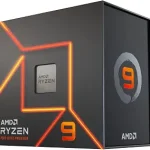
AMD Ryzen 7 7800X3D 8-Core, 16-Thread Desktop Processor
Check Price on Amazon
This AMD Ryzen 7 7800X3D is a desktop processor with 8 cores and 16 concurrent threads. Its listed socket is AM5, making motherboard support an essential part of the purchase decision. The processor is identified at 4.2 GHz, and its listed cache comprises 8 MB of L2 plus 96 MB of L3. Those specifications give shoppers concrete points to compare with a planned platform and workload, but they do not by themselves predict the experience of a complete computer. Its Best for AM5 processor planning label reflects the usefulness of starting a build discussion with a defined socket and processor specification; it is an editorial category, not a claim that the processor is the right choice for every AM5 build.
For a practical planning exercise, write down which applications or tasks matter most, then compare the listed core count, thread count, speed and cache with the needs you have established. Avoid treating a single specification as a stand-in for the whole system: the product record does not provide details for every component or workload. The processor also lists a graphics frequency of 2200 MHz, a maximum operating temperature of 89°C, and 5 nm process technology. These are useful reference points when reviewing the exact product details, but they do not answer broader questions such as what other parts your build needs. Check the complete system plan and any requirements that are not stated here.
Black Friday is a good moment to compare this processor’s exact listing against your intended AM5 plan, not a reason to skip the motherboard check. Confirm the socket requirements on both items and assess the processor’s stated specifications against your own priorities. The ASUS board in this guide lists Socket AM5 and compatibility with AMD Ryzen Desktop 9000, 8000 and 7000 Series processors; the exact processor and listing should still be checked before purchase. Do not assume that the general platform description resolves every setup detail. If you are choosing among processor options, use the available facts as a comparison framework and look up any unanswered requirements for the rest of your build before relying on a Black Friday offer.
Key specs
| Socket | Processor Socket Socket AM5 |
| Processor speed | Processor Speed 4.2 GHz |
| Core count | Processor Core Count 8 |
| Concurrent threads | Processor Number of Concurrent Threads 16 |
| Graphics frequency | Graphics Frequency : 2200 MHZ. |
| Maximum operating temperature | Maximum Operating Temperature (Tjmax) : 89°C. |
| Cache | 8 MB L2 plus 96 MB L3 cache memory |
| Process technology | 5 nm process technology |
ASUS ROG Strix B650-A Gaming WiFi
The ASUS ROG Strix B650-A Gaming WiFi motherboard is a potential starting point for shoppers assembling an AM5 platform. It lists Socket AM5 and readiness for AMD Ryzen Desktop 9000, 8000 and 7000 Series processors. The board uses DDR5 memory, so memory type belongs on the compatibility checklist alongside the processor socket. Its Best Budget label is an editorial choice among these featured products for shoppers who want a board with clearly stated platform, memory, storage and networking details to assess. It does not establish that this is the lowest-priced option or that it will cost less than another board; no prices are supplied here.
For storage planning, ASUS lists one PCIe 5.0 M.2 slot and two PCIe 4.0 M.2 slots. That gives a shopper specific slot information to compare with intended drives, including the Samsung M.2 SSD in this guide. Do not infer from these slot descriptions alone that every drive or configuration will work in every system arrangement; confirm the exact requirements for your chosen parts. The board also lists 2.5G LAN and WiFi 6E networking, plus USB 3.2 Gen 2×2 Type-C. These features can matter when deciding how a desktop should connect to a network or peripherals, but the record does not specify every port, antenna, network condition or connected device. Check the full product details for questions beyond the facts listed here.
When comparing this board during Black Friday, treat the model name and the exact variant as important. Verify that the listing is for the ASUS ROG Strix B650-A Gaming WiFi and review its socket, processor-family statement, DDR5 memory type, M.2 slots and listed connectivity. If you are pairing it with the Ryzen processor discussed above, use the AM5 socket information as a starting check, then verify any requirements not covered by these facts. A board’s feature list can help you organize a build, but it cannot decide whether every planned component, case or accessory fits your needs. This is a useful choice to investigate if its stated connections align with your checklist; leave unconfirmed details for additional verification rather than treating the label as proof of a complete match.
Key specs
| Processor socket | Socket AM5 |
| Processor compatibility | Ready for AMD Ryzen Desktop 9000, 8000, and 7000 Series Processors |
| Memory | DDR5 |
| M.2 slots | One PCIe 5.0 M.2 slot and two PCIe 4.0 M.2 slots |
| Networking | 2.5G LAN, WiFi 6E |
| USB-C | USB 3.2 Gen 2×2 Type-C® |
Put the build’s priorities in writing
Before comparing PC components, describe the computer you are planning in ordinary terms. Note whether storage capacity, processor details, motherboard connections or a particular platform is the main concern. Then separate known requirements from preferences. A required socket or drive format is a fit question; a preferred capacity or connection may be a decision about convenience. This simple distinction helps keep a Black Friday browse from turning into a list of tempting but unrelated specifications. For example, a shopper considering the Samsung SSD can begin with its 2 TB capacity and M.2 2280 form factor, while someone starting with the Ryzen processor can put Socket AM5 at the top of the platform checklist.
Next, record what the provided product facts do and do not establish. A stated interface, memory type or network feature is evidence you can compare. An unstated detail remains unverified; it is not proof that the product lacks that feature or that it will meet a particular setup requirement. This approach is especially useful when browsing quickly, because promotional language can encourage broad conclusions from a small detail. During Black Friday, pause to compare the specifications against your written priorities rather than deciding that a product is a match simply because its category sounds right. If an essential question remains open, seek the exact product information needed to resolve it before choosing.
Let the processor and board share a checklist
A processor and motherboard are connected decisions, so compare them as a pair rather than building two independent shortlists. For the Ryzen 7 7800X3D, the listed socket is AM5. The ASUS board also lists Socket AM5 and says it is ready for AMD Ryzen Desktop 9000, 8000 and 7000 Series processors. Those facts make the pair relevant to examine together, but a matching socket description should be treated as a starting point, not an answer to every compatibility question. Confirm that the exact processor and board listings meet your needs and review any other system requirements that matter to your build.
The processor’s 8 cores, 16 concurrent threads, 4.2 GHz speed and cache details may help you compare it with the demands you have in mind. They do not establish how a finished PC will perform across every application. Likewise, the board’s DDR5 memory specification gives you a memory-type item to include in planning, not a complete memory compatibility list. On Black Friday, keep these questions together: does the processor’s platform fit the board, does the memory plan match the board’s stated type, and are there other requirements you still need to check? This paired review is more useful than letting a single highlighted specification decide the purchase.
Map storage and connections to actual devices
Storage decisions become clearer when you start from the device and slot rather than from a speed figure alone. The Samsung drive is a 2 TB M.2 2280 SSD with a PCIe x 4 interface, and the supplied facts list desktop, laptop and Sony PlayStation 5 compatibility. The ASUS board lists one PCIe 5.0 M.2 slot and two PCIe 4.0 M.2 slots. Use those separate facts to guide a fit check, then verify the exact drive and system requirements before assuming a particular installation will work. The listed speeds of up to 7450/6900 MB/s are another comparison point, but their “up to” wording should remain attached when you discuss them.
Connections matter beyond storage. The motherboard’s listed 2.5G LAN, WiFi 6E and USB 3.2 Gen 2×2 Type-C can help shoppers identify features they may want to investigate for network and peripheral plans. They do not describe every condition or connected device, so compare the full listing with your own setup. When Black Friday listings are moving quickly, save the exact model and feature list you intend to compare. That makes it easier to notice whether an offer refers to the part you planned to evaluate, instead of relying on a general product family name or assuming two similar-looking listings have identical specifications.
Use the offer as a prompt to verify the model
A Black Friday promotion is not evidence that a component is suitable, and the provided information does not establish any active discount, price or availability. Treat the offer as a reason to inspect the exact listing carefully. Check the product name and variant, then compare the stated specifications with your notes. For the SSD, that means confirming capacity, form factor and interface. For the processor, confirm the model and socket details. For the motherboard, review its processor-family statement, memory type and listed connections. The goal is not to collect the longest specification list; it is to make sure the item under consideration is the item your plan actually calls for.
Keep a short record of unresolved questions while comparing. You may need to confirm whether a particular system supports a drive, whether a planned component meets a board requirement, or whether the exact variant includes the feature you expect. Do not use a broad Black Friday badge to answer such questions, and do not infer a missing specification from the product category. If the details are unclear, pause and verify them in the exact product information. This method helps separate a potentially relevant offer from one that merely appears attractive at a glance, without inventing savings or relying on assumptions about stock, seller policies or product performance.
Keep evidence and expectations in separate columns
A practical comparison sheet can have two columns: what the listing establishes and what your build still requires you to confirm. Put specifications such as 2 TB capacity, AM5 socket, DDR5 memory or WiFi 6E in the first column only when they are stated for the exact product. Put questions about the rest of your system, installation or workload in the second. That separation makes it easier to avoid turning a factual feature into a wider promise. It also keeps the decision personal: a listed feature is valuable when it serves your priorities, not merely because it looks impressive in a Black Friday product description.
Use the same approach across all three components. A shopper prioritizing a storage figure can assess the Samsung drive’s capacity and stated speed qualification. A processor-focused shopper can review the Ryzen model’s listed cores, threads, cache and socket. Someone comparing boards can check the ASUS model’s M.2 slots and networking details. These are different decision paths, not a universal ranking. During Black Friday, return to the evidence column before committing, and leave unanswered requirements open until verified. That way, the final choice reflects what the listing actually says and what your own build still needs, rather than an assumption that one component solves every planning question.
Make your Black Friday choice
The strongest shortlist is the one that reflects your actual build: storage capacity and format, processor platform, memory type and the connections you expect to use. These products provide concrete details to compare, but no single specification answers every compatibility or use question. As Black Friday approaches in your shopping process, focus on the exact model and variant, keep the stated qualifications intact, and verify anything important that remains unclear. Use the editorial labels as navigation among these featured options, not as proof of market-wide superiority. A deliberate fit check is more useful than buying simply because an offer is presented as a deal.