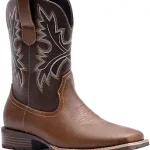
Columbia Women’s Snowtrot Shorty Snow Boots (ASIN B0FY4G7PS9)
Best Women Winter Boot Buying Guide — Black Friday Deals 2026
A useful winter-boot shortlist starts with the jobs you expect a pair to do: face wet conditions, add insulation, or suit ordinary cold-weather plans. The three options here describe different priorities rather than one universal answer. One is explicitly waterproof and insulated, another has a waterproof shell in a duck-boot style, and a shorty option is described for everyday cold-weather wear. For Black Friday, treat those details as filters, not proof of a particular deal. Compare the precise product and variant shown in the offer with the features you need, then check any remaining fit or care questions in its listing.
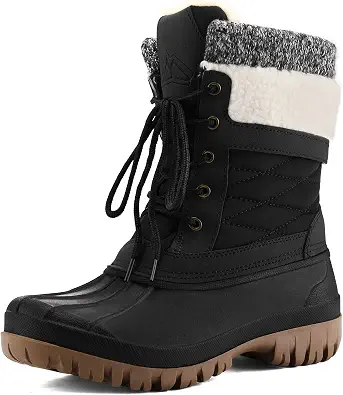
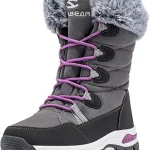
For a winter day where your shortlist begins with water protection and insulation, this option makes those priorities easy to identify: it is a waterproof, insulated snow boot with a mid-calf height. That combination gives you concrete details to weigh before considering color, price, or styling. If your plans include stepping out in conditions where wetness is a concern, the waterproof description may be a useful first filter; if you want insulation explicitly stated, that is listed too. Neither phrase supplies every detail about a boot’s use, so read the full listing for the specific questions that matter to your routine.
The mid-calf profile is a separate decision from the weather claims. Think about whether that height fits the way you plan to dress and move through a typical winter day, rather than assuming a particular level of coverage or comfort. The listing identifies the item as Snow Boots, which can help distinguish it from a shorter casual style when organizing a shortlist. Before checkout, check the selected size and variant, and look for any information you need about fit, care, or construction that is not established by the brief feature description. Those checks are especially worthwhile when comparing Black Friday listings.
This is the Best Budget pick among the options in this guide because its stated waterproof, insulated, mid-calf snow-boot combination gives shoppers a focused set of features to compare while staying mindful of a spending limit. The label is an editorial choice, not a claim about a particular price or measured value. On Black Friday, compare the exact offer and selected variant rather than relying on an event label or assuming a discount. Ask whether the listing you are considering is the same style and size you intended to buy, then weigh its stated features against your plans. If fit or another detail is decisive, resolve that question before placing it in your cart.
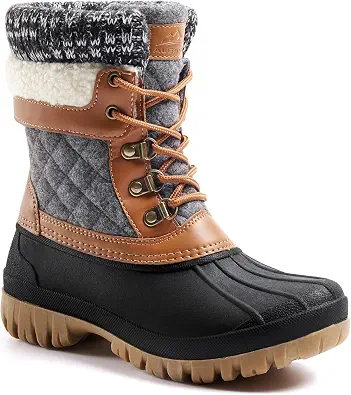
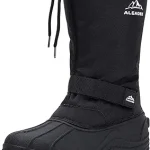
If your first shortlist filter is boot shape, this option is identified as a duck boot, with a waterproof shell and a winter designation. Those are useful starting points for someone comparing winter footwear around a specific concern: the shell is explicitly described as waterproof, while the product type gives a named style to consider. Think through the kind of outfits and tasks for which you want that shape, then decide whether it belongs on your list. The available details do not establish every aspect of construction or performance, so use the full listing to answer questions beyond the stated shell and boot type.
A planned winter outing can help make the choice more practical. Before you buy, picture where this pair would fit in your routine, such as the days when you want a winter-designated boot with a waterproof shell. That is a way to assess whether the stated features match your priorities, not a guarantee about conditions the boot can handle. The listing identifies the department as womens and the manufacturer as ALEADER; these details can help you confirm that you are looking at the intended product. Check the particular variant and any fit or care information you need instead of filling in those details from the duck-boot label.
This guide assigns it Best Overall because the stated duck-boot style, waterproof shell, and winter designation offer several clear comparison points in one listing. That editorial label does not mean it has been tested or is superior for every wearer; your own priorities should decide. When reviewing Black Friday offers, verify the exact item and variant and assess the offer on its own terms. Do not let the event wording substitute for checking whether the product details match your shortlist. If you are choosing among these three, compare the shell description here with the explicitly insulated wording on another option and the everyday-cold-weather positioning of the shorty style. Which distinction matters most depends on your planned use.
Columbia Women’s Snowtrot Shorty Snow Boots (ASIN B0FY4G7PS9)
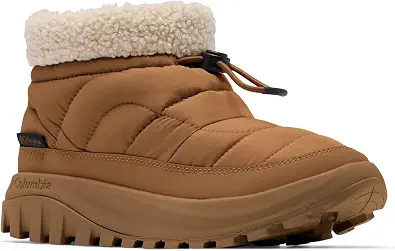
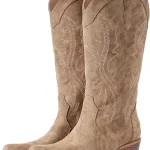
For a shorter-style option centered on routine cold-weather wear, this boot is described as designed for everyday wear in cold weather. Its listed details include a plush Sherpa fleece collar and a cinchable bungee at the ankle. Those features give you a clear place to begin: consider whether the collar detail and adjustable ankle closure are relevant to the way you want a shorty boot to fit into your day. The description does not establish waterproofing or insulation, so do not assume either from the cold-weather wording; check the full listing if either is essential to your decision.
The everyday-use framing may suit a shopper whose winter plans are varied and whose priority is a boot described for regular cold-weather wear rather than a specific snow-boot category. That is a way to match the stated purpose to your own intended tasks, not a claim that it will suit every activity. The cinchable bungee at the ankle is a concrete closure detail to consider as you review the product, and the plush Sherpa fleece collar is another stated design feature. If you need more information about fit, care, or weather protection, make those questions part of your listing check before checkout.
It carries the Best for everyday cold-weather wear label because that intended use is stated directly, with the collar and ankle closure offering additional details to evaluate. The label is an editorial match to the description, not proof of comparative performance. During Black Friday shopping, check that the item and variant in the offer are the ones you mean to compare; event language alone does not tell you whether an offer is right for your needs. This option’s product description differs from a waterproof-shell or explicitly insulated listing, so focus on the feature you require instead of treating the three styles as interchangeable. Its item model number is 207512, which can help you confirm the intended model when reviewing the listing.
Key specs
Collar
plush Sherpa fleece collar
Ankle closure
cinchable bungee at the ankle
Intended use
designed for everyday wear in cold weather
Item model number
207512
Plan around the task, not the season label
Before browsing, name the winter tasks you want footwear to support. Perhaps the key question is whether waterproof wording appears, whether insulation is explicitly listed, or whether the product is described for everyday cold-weather wear. Those are different filters, and the options here show why it helps to keep them separate. One description states waterproofing and insulation; another states a waterproof shell; the shorty style is described for everyday wear in cold weather. Do not treat one phrase as a substitute for another. A Black Friday search can bring attention to offers, but your shortlist should still begin with the requirement that matters to you.
Next, decide which unanswered questions could change your choice. If a particular kind of weather protection is essential, confirm that exact feature in the complete listing rather than inferring it from a product category or seasonal wording. If the planned use is ordinary cold-weather wear, consider whether the product’s stated purpose and listed details align with that plan. This sequence keeps the decision grounded: define the task, identify the relevant claim, and then investigate anything the supplied description does not settle. It also makes it easier to compare offers without letting a Black Friday headline become the main reason to choose a boot.
Use construction and height as distinct filters
Style and height are practical ways to narrow a broad category, but they answer different questions from weather claims. The mysoft option is identified as a mid-calf snow boot, while the ALEADER option is identified as a duck boot. The Columbia option is called a shorty snow boot. Those labels can help you decide which shape deserves a closer look, but they do not establish how a boot will fit your wardrobe or feel during a day out. Picture the clothes and tasks you expect to pair with it, then check the product listing for details that matter to your choice.
Avoid turning a height or style name into an assumption about coverage, comfort, or suitability for a particular activity. Instead, use it as an initial preference: do you want to consider a mid-calf profile, a duck-boot shape, or a shorty style? Then return to the concrete features that are actually stated. The Black Friday comparison should follow the same order. First confirm that the product and style match your intended choice; then consider the exact offer and variant. Keeping these filters separate makes it less likely that an event label or familiar silhouette distracts you from a feature you consider essential.
Separate warmth wording from water protection
Winter descriptions can contain terms that sound related but should be evaluated individually. The mysoft listing explicitly says waterproof and insulated. The ALEADER listing specifies a waterproof shell and a winter season. The Columbia description focuses on everyday wear in cold weather, with a plush Sherpa fleece collar and a cinchable bungee at the ankle. These are not identical sets of claims. If insulation is a priority, look for that claim rather than assuming it follows from a winter label or collar description. If waterproofing matters, verify the exact wording for the item you are considering.
This distinction is useful when comparing Black Friday offers because a short product title may not answer every question. Read the complete listing and check the particular variant, especially when you need a specific feature to make a purchase worthwhile. Treat unspecified details as questions to resolve, not as evidence that a feature is present or absent. A careful comparison can still be quick: note the must-have claim, confirm it on the item page, and set aside options that do not answer your question clearly enough. That process keeps your decision tied to stated information rather than assumptions about what winter boots usually include.
Make the offer check part of your shortlist
A Black Friday label is a prompt to inspect an offer, not proof that it fits your needs or that a particular saving is available. Compare the exact item and variant shown in the offer with the one you shortlisted. Confirm the product identity, the selected style or size, and the features you were relying on. If you are comparing two listings, make sure you are not treating different boot types as though they were the same choice. The relevant question is whether the offer applies to the specific product details you want, not simply whether the page uses seasonal event language.
Keep a short personal checklist beside the listing: intended task, must-have feature, preferred style, and unanswered fit or care questions. Review those points before moving from browsing to checkout. Do not assume that a displayed offer answers questions about the boot itself, and do not infer a promotion from the Black Friday theme alone. Where the listing leaves a decision-critical detail unclear, pause and look for clarification rather than substituting a guess. This approach makes comparison more deliberate without requiring a complicated scoring system, and it helps keep the product’s stated attributes distinct from the terms of a particular offer.
Resolve practical questions before choosing
Once you have narrowed the style, check the details that influence whether you are comfortable proceeding. Review the selected size and variant, and consult the full listing for fit information relevant to you. Consider whether care instructions or other construction details need to be clear before purchase. The product descriptions here provide a useful starting point, but they do not answer every individual question. For example, a stated waterproof feature does not by itself supply every detail about use, and a cold-weather purpose does not establish that insulation is listed. Make your decision using the specific information you can confirm.
A final pass is particularly helpful when Black Friday browsing moves quickly. Re-read the product identity and the feature that put it on your shortlist, then verify that the offer concerns that same item and variant. If you are choosing the shorty style for its stated everyday cold-weather purpose, ensure that this is the use you actually want to prioritize. If a waterproof description or explicit insulation is the deciding point, check for that exact wording instead. A pause for these checks can prevent an attractive event message from displacing the practical requirements you set at the start.
Make your Black Friday choice
The strongest choice is the one whose stated details line up with the winter tasks you have in mind. Start with the feature you need, then weigh boot style, height, and the questions the listing still needs to answer. These three options offer different points of comparison, not a single answer for every routine. As Black Friday offers appear, verify the precise item and variant and judge the offer separately from the product’s features. That leaves you with a clearer decision: one based on your priorities and confirmed listing details, rather than a seasonal label or an assumption.