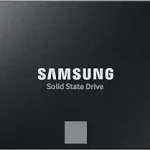
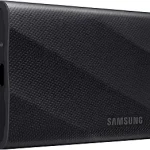
SIX 1TB SATA 2.5 SSD Internal Solid State Hard Drive (ASIN B0FGPXJMK1)
Best Solid State Drives Buying Guide — Black Friday Deals 2026
Where will the extra storage live: inside a computer, or in a drive you can carry between devices? That practical choice narrows this solid state drive shortlist before Black Friday offers enter the picture. It includes an internal M.2 drive, an internal 2.5-inch SATA drive, and a portable USB model, each with different listed capacities, connections, and features. The Samsung SSD 990 PRO 2TB is the Best Overall pick in this group; the SIX 1TB SATA drive is Best Budget, and the SANDISK portable SSD is Best for portable storage. These are buyer-fit labels, not claims of tested superiority. For Black Friday, compare the exact model and variant, then check its specifications against the device and role you have in mind.
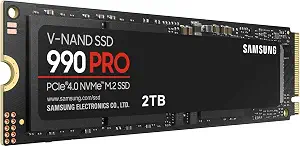
Best Overall: Samsung SSD 990 PRO 2TB is the internal-drive choice here for shoppers who want a listed 2 TB of storage in an M.2 2280 form factor. Its interface is PCIe x 4, and the stated read and write speeds are up to 7450/6900 MB/s. Those are specifications for this model, not a promise that every computer or task will reach those figures. The label reflects its combination of capacity, interface, form factor, and stated speeds within this three-drive selection—not a test result or a market-wide award.
The product facts list desktop and laptop compatibility, along with compatibility with Sony PlayStation 5. That gives shoppers several possible internal-storage roles to investigate, but the host device still matters: check its supported drive format and interface before buying. If considering it for a console, verify the exact console requirements and whether the intended installation is supported; the listing facts supplied here do not settle every setup detail. An M.2 drive is a different type of purchase from a portable external SSD, so consider whether you want storage installed in a compatible device rather than a drive intended to travel between devices.
During Black Friday, use the model name and the exact listing configuration as your comparison point. Confirm that the offered item is the 2TB Samsung SSD 990 PRO and that its M.2 2280 form factor and PCIe x 4 interface suit your planned installation. Don’t treat a headline speed figure as the only reason to choose it: the device connection and workload shape what the specification means in practice. The 2 TB capacity may suit a shopper who wants a substantial internal-storage option, while someone seeking removable files or a listed USB connection should compare the portable drive instead. Choose this Best Overall option when its internal format and stated feature set match your setup.
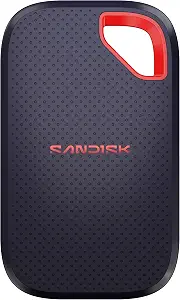
Best for portable storage: SANDISK 1TB Extreme Portable SSD is the pick in this group for shoppers prioritizing a drive that can move between compatible devices. It lists 1 TB of digital storage and a USB 3.0 hard disk interface. The stated compatible devices include desktops, laptops, smartphones, and tablets. That broad device list makes it a candidate for carrying files between parts of a personal setup, but confirm that the device and its connection support the drive before relying on a particular workflow. Its compact listed dimensions are 3.35″L x 2″W x 0.39″Th, and its item weight is 1.6 ounces.
The product facts also specify up to 3M drop protection and 256-bit AES encryption, described as helping keep private files secure with password protection. These are useful details to weigh if the drive will travel with personal or work files. Keep the qualifications in view: the drop protection is stated as up to 3M, and encryption is a listed feature, not a substitute for checking how you will set up and use password protection. The facts do not describe every handling condition or security workflow, so match those features to your own needs rather than assuming they address every risk.
For Black Friday, compare the exact 1TB model and its listed features, rather than treating every portable SSD offer as interchangeable. Check the connection and device compatibility for the devices you expect to use, then decide whether the portable form and protection features matter more to you than an internal drive’s installation format. This model is not the largest listed capacity in the guide, and its role is different from the Samsung M.2 drive or SIX SATA drive. The Best for portable storage label points to its compatible-device list, USB 3.0 interface, and stated portability-related features. Choose it when carrying files and connecting across compatible devices are central to the purchase.
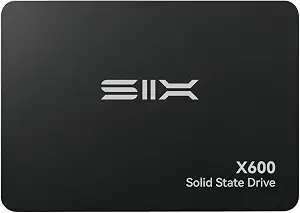
SIX 1TB SATA 2.5 SSD Internal Solid State Hard Drive (ASIN B0FGPXJMK1)
Best Budget: SIX 1TB SATA 2.5 SSD Internal Solid State Hard Drive is the internal SATA option in this selection. It lists 1 TB capacity, a 2.5-inch form factor, and a SATA 6.0 Gb/s interface. The stated read speed is up to 560MB/s. Its listing says it fits most laptops, desktops, NAS systems, and even gaming consoles. Treat that as a starting point for checking compatibility, not a guarantee for every device: confirm the device’s supported drive size, connection, and installation requirements before ordering. The Best Budget label is an editorial choice among these listed products, not a claim about the market’s lowest price.
The listed feature set includes TRIM support, ECC, SLC cache, and intelligent temperature control. Shoppers who want an internal drive with these named features can factor them into a comparison, while keeping the interface and form factor central to the fit decision. This is not the same format as the M.2 Samsung drive, nor is it the USB portable option. Think about whether you are replacing or adding a 2.5-inch SATA drive in a compatible system, and verify the intended device’s requirements instead of assuming that a general compatibility description covers a particular model or configuration.
For Black Friday, first check that the exact listing is for this SIX 1TB SATA 2.5 SSD, then review the capacity, interface, and read-speed specification. Avoid comparing its up-to figure directly with a figure for a different interface as though they promise identical results in every setup. The right comparison is whether this drive’s listed connection and form factor suit the device and job you have. If you want internal storage and your equipment accepts a compatible 2.5-inch SATA drive, this is the guide’s Best Budget choice. If your priority is a portable USB drive or an M.2 installation, the other products offer formats aimed at those different roles.
Key specs
Capacity
1 TB
Interface
SATA 6.0 Gb/s
Form factor
2.5 inches
Read speed
Read speeds up to 560MB/s
Compatibility
fits most laptops, desktops, NAS systems, and even gaming consoles
Features
TRIM support, ECC, SLC Cashe, and intelligent temperature control
Pick the storage role before looking at the offer
Start by deciding whether the drive should remain installed or travel with you. The Samsung and SIX models are described as internal drives, with different form factors and interfaces; the SANDISK is a portable SSD with a USB 3.0 interface. That distinction changes what you need to verify. An internal-drive shopper should check the device’s supported form factor, connection, and installation requirements. A portable-drive shopper should check the connection and compatibility of each device where files will be used. A Black Friday headline cannot answer those fit questions for you.
Imagine the routine, not just the purchase: expanding storage in a desktop, looking for a drive for a compatible laptop, or carrying files between devices. These are different scenarios, and the product facts support different starting points for each. The Samsung lists desktop, laptop, and Sony PlayStation 5 compatibility; the SIX listing names laptops, desktops, NAS systems, and gaming consoles; the SANDISK lists desktops, laptops, smartphones, and tablets. Those descriptions help make a shortlist, but they do not replace checking the exact device. Before you compare Black Friday prices or promotions, write down where the drive will be used and what connection that device supports.
Use capacity as a planning question, not a ranking
The capacities here are 2 TB for the Samsung and 1 TB each for the SANDISK and SIX drives. Consider what you plan to store and whether the drive will hold files long term, serve as additional internal space, or move between devices. A capacity figure by itself cannot tell you how much usable room your personal collection will require. Think about the kinds of files you keep, whether you expect to add more, and whether this drive is meant to replace another storage location or sit alongside one.
The distinction between internal and portable use matters as much as the number on the listing. Someone wanting an internal 2 TB option can consider the Samsung if its M.2 2280 format and PCIe x 4 interface match the device. A shopper choosing between the two 1 TB options should ask whether USB portability or a 2.5-inch SATA installation is the better fit. During Black Friday, check capacity and model together: similar-looking offer cards may represent a different product or variant. Decide what storage role and capacity make sense for your files before letting a promotion headline set the agenda.
Check the device connection and physical fit
Interface and form factor are practical filters, not decorative specification details. The Samsung is M.2 2280 with a PCIe x 4 interface; the SIX drive is 2.5 inches with SATA 6.0 Gb/s; the SANDISK uses USB 3.0. These descriptions identify three different connection approaches. They do not establish that a drive will fit or work in a device you have not checked. Consult your computer or console’s supported storage information, and confirm that the exact drive type is appropriate before purchasing.
Compatibility wording can guide research, but it may not answer every device-specific question. A product listing may name a device category while your particular model has its own requirements. For an internal installation, check the available slot or bay and supported interface. For portable use, check that the intended host supports the connection you plan to use. This is especially important when a Black Friday listing highlights a broad compatibility statement or speed figure. The useful comparison is between the exact product details and your own device’s requirements—not between general labels alone.
Put speed and listed features in context
The Samsung lists read and write speeds up to 7450/6900 MB/s, while the SIX lists read speeds up to 560MB/s. These are not equivalent measures: one is a read-and-write figure and the other is a read-speed figure. Keep the wording and qualifications intact when comparing them. A stated maximum is not a guarantee that a particular device or task will reach it, and the provided facts do not establish a direct real-world comparison between the drives. Start with the connection your equipment supports, then decide whether the relevant speed specification matters for your use.
Feature lists can help refine a choice after fit and role are clear. The SIX names TRIM support, ECC, SLC cache, and intelligent temperature control. The SANDISK specifies up to 3M drop protection and 256-bit AES encryption with password protection. The Samsung’s supplied details emphasize capacity, interface, form factor, speeds, and compatibility. These are not interchangeable feature sets, and a longer list does not automatically make a product right for every shopper. For Black Friday, compare the particular details you value rather than treating one specification as a complete measure of suitability.
Make the Black Friday comparison specific
A useful Black Friday check begins with the exact product name and variant. Confirm the capacity, drive type, interface, and any feature that led you to shortlist it. This guide does not establish an active promotion, a discount, or stock status, so assess the current offer shown to you without assuming that a deal headline applies to every configuration. If an offer page displays several capacities or versions, verify which one the selected offer represents before proceeding.
Compare the listing against a short checklist: Does the connection match the intended device? Is the capacity the one you planned for? Does the product serve the internal or portable role you need? Are the listed compatibility and feature details relevant to your use? For an internal drive, confirm the device’s supported installation format. For portable storage, confirm the devices you intend to connect. These checks make Black Friday shopping more deliberate and help prevent a low headline price from distracting from a model mismatch. Keep the product label in perspective, too: Best Overall, Best Budget, and Best for portable storage are editorial choices within this selection, not a promise about every shopper’s best fit.
Make your Black Friday choice
The decision comes down to where the drive will be used, which connection your device accepts, and what capacity and features matter for your files. Choose the Samsung for its listed 2 TB M.2 PCIe x 4 configuration if that internal format suits your setup; consider the SIX for a compatible 2.5-inch SATA installation; or look to the SANDISK when portable USB storage and its listed protection features fit your routine. Before completing a Black Friday purchase, check the exact model, capacity, interface, compatibility, and selected offer variant. Match the listing to your device first, then decide whether the offer itself makes sense for you.