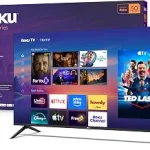
Amazon Ember 75″ Mini-LED Series with Fire TV (ASIN B0C7SH9FN2)
Best 75 In Tv Buying Guide — Black Friday Deals 2026
How should a 75-inch TV fit the way you watch, play, and connect devices at home? Start with the features you will actually use, then compare the exact model and offer rather than choosing by screen size alone. This guide covers three 75-inch 4K options with different display, refresh, audio, and smart-TV details. The Hisense U8 Series pairs a 165 hertz refresh rate with Google TV; the INSIGNIA QF Series offers QLED, Fire TV, and four HDMI ports; and the Amazon Ember combines mini-LED with gaming features. Black Friday can make comparing listings especially tempting, but no deal should substitute for a model match. Check the current offer, variant, and specifications together before deciding.
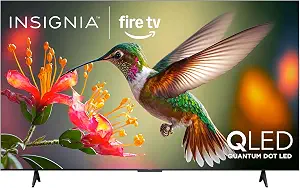
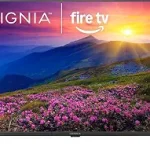
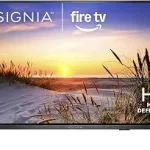
INSIGNIA 75-inch Class QF Series LED 4K UHD QLED Smart Fire TV with Alexa Voice Remote (NS75-UQFL26)
INSIGNIA 75-inch Class QF Series LED 4K UHD QLED Smart Fire TV with Alexa Voice Remote (NS75-UQFL26) (ASIN B0DWBMW3LD)
The INSIGNIA 75-inch Class QF Series is labeled Best Budget, an editorial category within this three-TV selection rather than a statement about its current price. Its listing specifies a QLED display, 4K resolution, and a 60 hertz refresh rate. FireOS provides its smart-TV platform, while the included product name identifies an Alexa Voice Remote. Together, those details give shoppers a straightforward set of points to compare when looking for a large-screen television centered on 4K viewing and Fire TV.
Four HDMI ports are listed, the highest port count among the three products here. If you expect to connect several devices, such as equipment you already own, count the connections you would use and check whether the layout of your setup makes that number helpful. The listing also specifies Dolby Vision support and built-in speakers with Dolby Atmos support. These are useful features to include in a comparison, but they do not establish how every program will look or sound in your particular room.
A 60 hertz refresh rate is the listed figure to consider if refresh specifications are important to you. Compare it with the 165 hertz listed for the Hisense and the 144Hz gaming feature listed for the Amazon Ember, while keeping in mind that specifications alone do not tell you which viewing experience you will prefer. The INSIGNIA may suit someone who values FireOS, four HDMI ports, and the stated QLED and Dolby Vision features more than a higher listed refresh figure.
During Black Friday, avoid using the Best Budget label as a substitute for checking the actual offer. Compare the price and terms displayed for the precise NS75-UQFL26 listing you are considering, and confirm the model and screen size match. Do not assume a promotion exists or that similarly named televisions share the same specifications. This pick makes the most sense when its listed features align with your priorities and the exact offer works for your budget. Treat the label as a guide to the role it plays in this article, not as a claim about market-wide value.
Key specs
Display technology
Display Technology QLED
Resolution
Resolution 4K
Refresh rate
Refresh Rate 60 hertz
Screen size
Screen Size 75 inches
HDMI ports
Total Number of HDMI Ports 4
Operating system
Operating System FireOS
HDR format
HDR Format Supported Dolby Vision
Audio
Built-in speakers with Dolby Atmos support
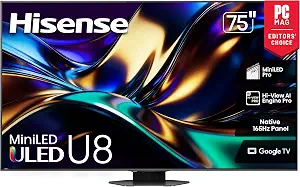
Hisense 75″ U8 Series ULED Mini-LED 4K UHD Smart Google TV (75U8QG)
Hisense 75″ U8 Series ULED Mini-LED 4K UHD Smart Google TV (75U8QG) (ASIN B0F1DV1Z1X)
Best Overall is the editorial choice for shoppers who want a broad set of specified features in one 75-inch 4K television. The Hisense U8 Series uses ULED Mini-LED and runs Google TV. Its listed 165 hertz refresh rate and variable refresh rate range of 48Hz to 165Hz make refresh behavior a prominent part of its appeal, particularly if fast-moving games are high on your list. These figures describe the listed specifications; consider them alongside the sources and content you expect to use rather than treating a higher number as a guarantee of a better experience in every situation.
The audio specification is also unusually detailed among these three listings: 4.1.2 channels and Dolby Atmos encoding. That may matter if built-in audio features factor into your comparison, but it is a specification, not a promise that you will prefer the sound in your room. The listing also names three HDMI ports, Bluetooth 5.3, and Wi-Fi 6E. Think about how many devices you plan to connect and which wireless features matter to your setup before deciding whether those details are useful to you.
This is a sensible shortlist candidate if you want to consider refresh specifications, Google TV, and audio details together. It may be less compelling for someone whose decision rests on a different operating system or a specific display feature not listed here. The three HDMI ports are a concrete point to weigh if your planned setup includes several connected devices; count your own equipment rather than assuming you will use every connection.
For Black Friday, compare the full 75U8QG model identity and the exact listing before judging an offer. Check that the screen size and specifications correspond to this model, and compare the actual terms shown for the item you intend to buy. The Best Overall label is an editorial pick among the televisions in this guide, not a test result or a claim that it leads every 75-inch option. Choose it when its listed combination of 4K, 165 hertz refresh, Google TV, and audio details matches your priorities.
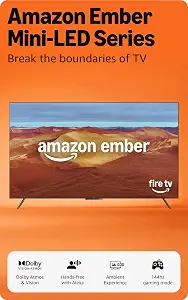
Amazon Ember 75″ Mini-LED Series with Fire TV (ASIN B0C7SH9FN2)
Best for mini-LED picture and gaming features is the role assigned here to the Amazon Ember 75-inch Mini-LED Series with Fire TV. Its listing describes a 4K QLED mini-LED display, up to 1,400 nits of peak brightness, and 512 dimming zones. Those are specific display details worth considering if you are comparing screen technologies and picture-related specifications. The phrase “up to” matters for peak brightness: keep the qualification attached when reviewing the feature, rather than reading it as a constant brightness level in every scene or use.
The HDR formats listed are Dolby Vision IQ and HDR10+ Adaptive. If HDR support influences your shortlist, note these exact formats and compare them with the formats named for any other model you are considering. The Ember’s gaming specification is 144Hz with AMD FreeSync Premium Pro certification. That combination gives gaming-oriented shoppers a concrete reason to examine this model, while leaving room to compare the games and equipment they actually use rather than assuming every setup will benefit equally.
Audio is specified as 2.1 Dolby Atmos. The listing also includes a switch that electronically disconnects the microphones, a practical privacy detail for shoppers who want a physical control for microphone disconnection. These features address different priorities: sound configuration and microphone privacy. Neither should be treated as evidence of unlisted capabilities, so check the product details if another particular connection or function is essential to your setup.
Black Friday listings can make it easy to focus on a prominent display claim, so check the complete model and product details before comparing offers. Confirm that the listing is for the Amazon Ember 75-inch Mini-LED Series and that the features you care about appear with their stated qualifications. The Best for mini-LED picture and gaming features label reflects the facts provided for this product and its place in this guide; it is not a measured picture-quality verdict. Choose it if mini-LED, the listed HDR formats, and 144Hz gaming features are central to your decision.
Key specs
Display
4K QLED mini-LED display
HDR formats
Dolby Vision IQ, HDR10+ Adaptive
Peak brightness
up to 1,400 nits of peak brightness
Dimming zones
512 dimming zones
Gaming
144Hz that has been AMD FreeSync Premium Pro-certified
Audio
2.1 Dolby Atmos audio
Microphone privacy
a switch that electronically disconnects the microphones
Decide which picture details deserve priority
A large screen may be the reason to shop, but display specifications help narrow the options. All three products are presented as 75-inch televisions with 4K-related display details: the INSIGNIA specifies QLED and 4K, the Hisense specifies 4K and ULED Mini-LED, and the Amazon Ember specifies a 4K QLED mini-LED display. Those descriptions are not interchangeable labels. Make a short list of the features you care about, then compare each model against that list rather than assuming one display term settles the choice.
HDR support offers another useful point of comparison. The INSIGNIA lists Dolby Vision support, while the Ember specifies Dolby Vision IQ and HDR10+ Adaptive. No HDR formats are provided for the Hisense in these product details, so do not infer support or lack of support from that omission. If HDR format is a deciding factor, verify the exact product listing and consider which content and devices matter in your home.
The Ember’s peak brightness is qualified as up to 1,400 nits and its listing names 512 dimming zones. Those details may help distinguish what you want to investigate, but numbers alone cannot determine whether the image suits your room or viewing preferences. For Black Friday, compare the same model and variant across the offers you see, and use the listed picture features as a checklist—not as a reason to overlook the exact terms.
Use refresh figures to clarify your viewing and gaming needs
The refresh specifications differ enough to make a purposeful comparison worthwhile. The INSIGNIA lists 60 hertz, the Hisense lists 165 hertz and a variable refresh rate range of 48Hz to 165Hz, and the Amazon Ember lists 144Hz with AMD FreeSync Premium Pro certification. Start by asking whether refresh behavior is a priority for your viewing or gaming. If it is, compare the full specification, including any range or certification, rather than reducing every model to a single number.
These figures do not by themselves establish which television will suit a particular game, device, or viewer. Think about what you intend to connect and use, then check the exact model details for the features that matter. The Hisense listing also specifies Google TV, and the Ember is identified as a Fire TV model; those platform details may be part of your choice, but they are separate from refresh specifications.
Black Friday can put several attractive headline claims side by side. Keep the model name attached to each refresh figure as you compare, especially if listings use shortened names or emphasize only one feature. A useful shortlist records the exact refresh information, the model identity, and the offer details together. This prevents an appealing specification from distracting you from whether the television actually matches your needs.
Choose a smart-TV environment and connections that fit
The listed operating-system details make platform preference a practical checkpoint. The INSIGNIA specifies FireOS and its product name includes an Alexa Voice Remote; the Hisense is identified as a Google TV; and the Amazon Ember is named as a Fire TV. If you already have a preferred way to navigate a television, compare those descriptions directly and check the exact listing for any platform details you consider essential. Do not assume the products share the same interface or features simply because more than one is associated with Fire TV.
Connections can be equally straightforward to evaluate. The INSIGNIA lists four HDMI ports and the Hisense lists three. No HDMI count is provided for the Ember in the details here, so check its exact listing if port quantity matters rather than guessing. Count the devices you expect to attach, and consider whether you need to leave a port available for a future addition. This exercise is more useful than choosing a television based on the largest port count alone.
The Hisense also lists Bluetooth 5.3 and Wi-Fi 6E. Those are the wireless specifications supplied for that model; the records do not provide corresponding wireless details for the other two. Treat missing information as a prompt to verify, not as proof that a feature is unavailable. When comparing Black Friday offers, confirm that platform and connection details belong to the exact model shown in the offer.
Keep sound and microphone privacy as separate decisions
Audio details vary across the listings, and each product describes them differently. The INSIGNIA has built-in speakers with Dolby Atmos support. The Hisense lists 4.1.2 audio channels and Dolby Atmos encoding. The Amazon Ember specifies 2.1 Dolby Atmos audio. These statements can help you compare stated audio features, but they are not a direct measure of how sound will perform in your room. If sound is important, decide which specification you want to prioritize and look for the full wording on the exact product listing.
Do not treat one audio description as directly equivalent to another just because each mentions Dolby Atmos. The channel information is supplied for the Hisense and Ember, while the INSIGNIA detail describes built-in speakers with support. Keep those distinctions intact when comparing. If you have particular expectations for your setup, use the listed details as a starting point and verify any additional requirements rather than assuming they are covered.
Microphone privacy is a separate consideration for the Ember: its listing says a switch electronically disconnects the microphones. That gives privacy-conscious shoppers a specific feature to assess. No corresponding microphone detail is provided for the other products, so avoid drawing conclusions about them. On Black Friday, compare the feature wording for the model you have selected and do not let unrelated audio claims obscure a privacy requirement.
Turn the Black Friday listing into a final model check
Before buying, make a compact checklist with the features that matter most: screen size, resolution, display description, refresh details, operating system, ports, and any audio or privacy requirement. Add the complete model name so that you can compare the same television across listings. A headline that says 75-inch TV is not enough to establish that the model has the particular features you shortlisted.
For a Black Friday offer, compare the actual terms displayed for the exact item and variant. Confirm that the listing identifies the intended product, then recheck the specifications that drove your choice. Do not assume that a discount, promotion, or price applies to every similarly named television. The information here does not establish an active promotion, current price, inventory, or seller terms; use the listing itself for those details.
Finally, consider the tradeoffs you are willing to make. You might put the Hisense’s refresh range first, prefer the INSIGNIA’s four listed HDMI ports, or focus on the Ember’s mini-LED and gaming details. These are different feature priorities, not a universal ranking. A careful model match helps ensure that the offer you evaluate corresponds to the television you meant to shortlist.
Make your Black Friday choice
The right 75-inch choice depends on which listed details solve a real need in your home. Compare display and refresh features first, then check the platform, connections, audio, and any privacy consideration that matters to you. The Hisense, INSIGNIA, and Amazon Ember each offer a different set of specifications, so use the model names to keep the comparison precise. For Black Friday, finish with an exact-listing check: confirm the model and variant, revisit the features behind your choice, and review the offer terms shown for that item. Decide from that match—not from a headline or an assumed promotion.